| Availability: | |
|---|---|
| Quantity: | |
PST-4500
EAGLE
DN4500
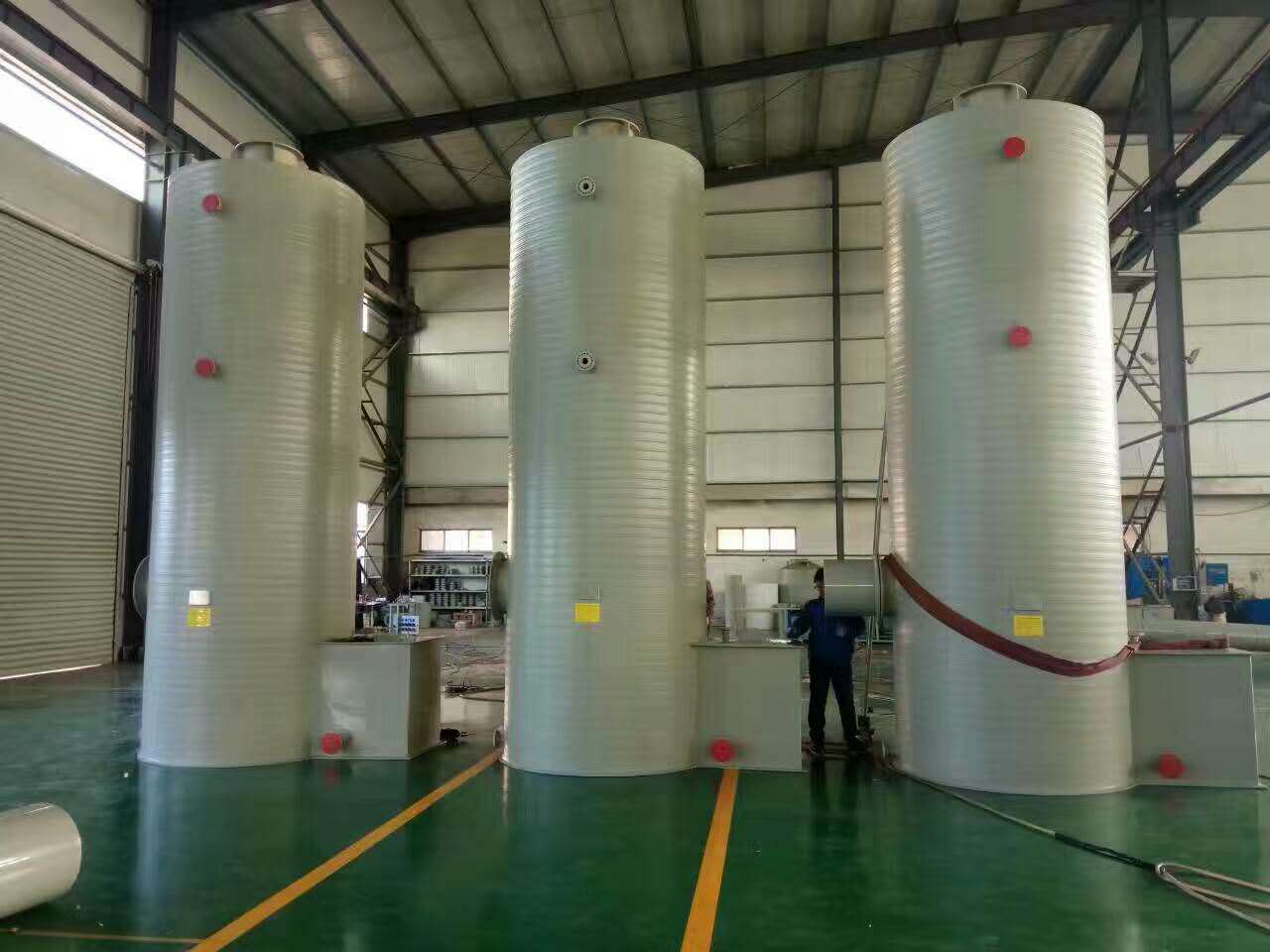
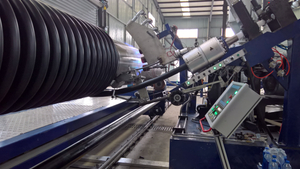
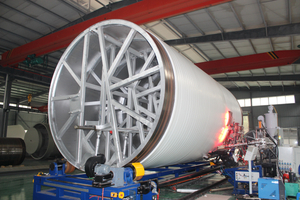
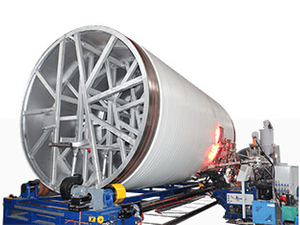
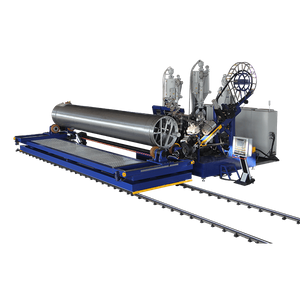
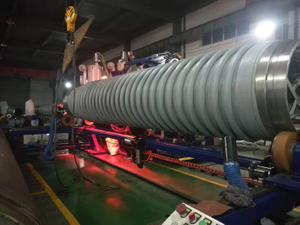
Manufacturing large-scale thermoplastic storage vessels requires absolute precision to prevent catastrophic leaks and structural failures. This specialized spiral tank bottom welding equipment addresses the core challenges of joining heavy cylindrical bodies to their bases. When operating on the factory floor, the machine delivers a steady, controlled mechanical rhythm as the extruder continuously feeds molten material. It eliminates the inconsistencies often found in manual hand-extrusion methods. By automating the critical base-joining phase, fabricators can achieve a perfectly aligned, stress-free bond that stands up to immense hydrostatic pressure. The heavy steel frame of the equipment provides a rigid foundation, minimizing vibrations and ensuring that every rotation produces a clean, uniform weld bead across massive diameters.
Diameter: DN800-DN4000
Tank height:800-8000mm
Welding extruder Output: 15-20kg/h
With centrilization unit to guarantee the tank center during welding

Transitioning from traditional fabrication methods to automated spiral welding transforms the entire production floor. This equipment integrates mechanical stability with advanced thermal processing to deliver consistent, repeatable results across varying tank dimensions.
At the core of this equipment is an intelligent PLC control system paired with a proprietary centralization unit. During the setup phase, operators interact with a responsive interface that precisely dictates rotational speed and extrusion rates. The centralization unit physically grips and aligns the massive tank cylinders, ensuring they remain perfectly centered over the base throughout the entire cycle. This mechanical guidance entirely removes the risk of human error, preventing off-center shifts that cause weak joints. Production efficiency scales upward as operators spend less time manually measuring and adjusting, allowing for a smoother, more predictable manufacturing workflow on the factory floor.
The automated continuous fusion technology fundamentally changes how the tank bottom integrates with the vertical walls. As the extruder operates, observers can see the thick, molten thermoplastic being laid down in a continuous, even layer. Because the material is applied at optimal temperatures without manual pauses, the resulting joint cools uniformly, leaving absolutely no internal stress points. This meticulous thermal process creates a monolithic bond between the base and the cylinder. The final weld bead is visually smooth and structurally solid, guaranteeing a completely leak-proof seal that is critical for containing hazardous or heavy liquids over long periods.

Industrial demands vary wildly, and this machinery is engineered to process a wide spectrum of thermoplastics. It effortlessly handles HDPE, PP-HM, PP-B, PP-H, and PVDF materials. Each polymer requires specific melting temperatures and cooling times, which the machine’s thermal regulators manage with exact precision. When switching between a rigid PVDF run and a flexible HDPE batch, the extruder adapts its heating profile to prevent material degradation. The distinct scent of heated polymers signals the deep melting process that ensures maximum adhesion. This extensive compatibility empowers manufacturers to produce vessels for highly corrosive chemical environments just as easily as they build standard water containment units.
Compared to conventional plate splicing and manual joining, this automated system accelerates production speeds by five to eight times. The continuous 15-20kg/h output of the welding extruder means thick seams are built up rapidly without frequent stops. Furthermore, the process completely eliminates the need for gas pre-heating and reduces the necessity for constant mold changeovers. Facilities will immediately notice a sharp drop in energy consumption and a significant reduction in wasted raw materials. By streamlining the most labor-intensive part of tank fabrication, manufacturers can lower their overhead costs while simultaneously increasing their daily output capacity.
Vessels produced using this equipment exhibit superior mechanical properties. The spiral winding and automated bottom welding allow for an optimized wall structure—intentionally thinner at the top and progressively thicker toward the base to counteract varying hydrostatic pressures. Once cooled, the tanks possess a dense, hardened exterior that easily resists extreme temperature fluctuations ranging from -30℃ up to 90℃. Additionally, the integrated UV resistance of the properly processed polymers ensures that even when installed in harsh, unsheltered outdoor environments, the structural integrity and surface finish of the tanks will endure for more than 30 years without brittleness or fading.
The precision and reliability of this welding equipment make it the definitive choice for fabricating containers used in highly regulated sectors.